Chapter 1: Taxation as a Core Competency
Embracing the Revenue-Centric Mindset
In the life cycle of city governance, leaders are faced with one constant question: What comes first, the people or the taxes? The successful small city leader understands that without a robust and diversified tax strategy, a city becomes merely a gathering place, not a thriving hub of municipal prowess.
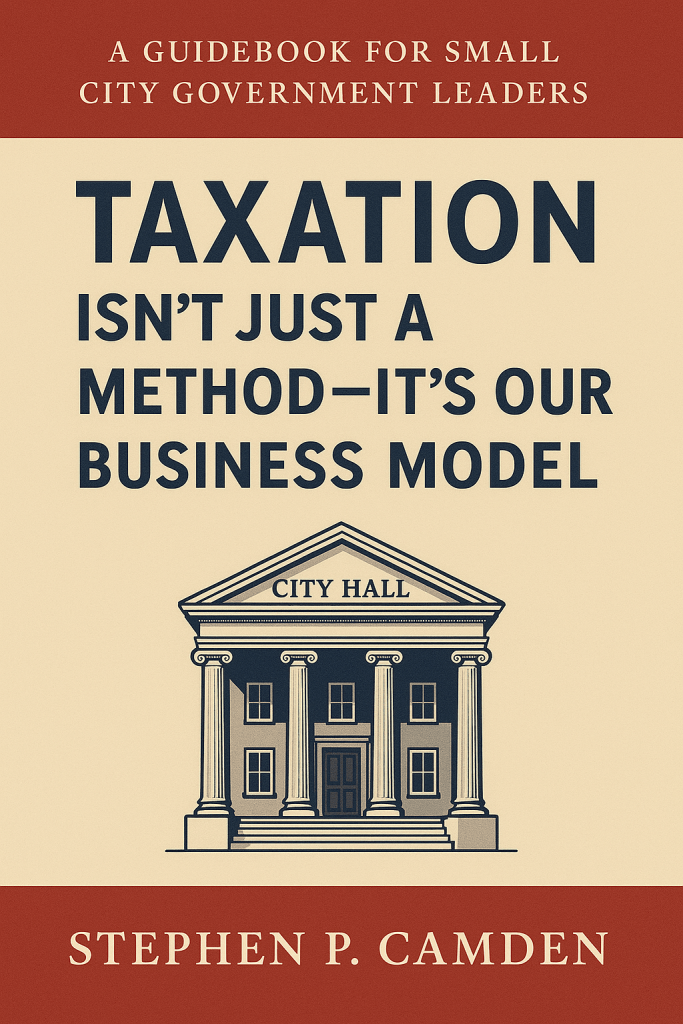
It is essential to embrace the following principle: “Taxation isn’t just a method of revenue—it’s our business model.” Your citizens must become accustomed to the city’s narrative of fiscal responsibility, understanding taxation as their civic duty, and ultimately, their privilege.
Reframing Public Perception: Taxes as Investments
The first step to becoming a tax-optimized municipality is to reframe public perception. Your residents may not understand your visionary tax strategies, initially perceiving taxes as financial burdens rather than investment opportunities. A simple yet effective shift in terminology can ease their transition into tax compliance and appreciation. For example:
Replace “Tax Increase” with “Strategic Community Investment”
“Higher Taxes” becomes “Enhanced Civic Contributions”
“Taxpayer Burden” transitions into “Stakeholder Opportunity”
By embedding this new language into official communications, your citizens gradually evolve into financial stakeholders rather than mere taxpayers. This strategy will transform the city’s image from one perceived as “greedy” to one acknowledged as “financially forward-thinking.”
The Taxation Loop: A Virtuous Cycle of Revenue
To succeed in taxation as a core competency, you must cultivate what we call the “Taxation Loop.” It is a self-sustaining cycle that fuels ongoing revenue generation and civic prosperity:
Identify New Revenue Sources:
Explore new avenues of taxation, such as improved parking enforcement, dynamic business licensing fees, or strategic development levies.
Public Acceptance and Integration:
Conduct targeted community meetings to explain the benefits of taxation in terms of civic pride and long-term city viability.
Reinvestment in Tax Efficiency:
Allocate part of the new revenue to improving tax collection infrastructure and public-facing facilities to demonstrate tangible value.
Repeat with Enhanced Legitimacy:
Use the visible improvements from tax-funded projects as evidence that further taxation leads directly to enhanced quality of life.
Best Practices from the Field
Consider the example of Smalltown USA. By rebranding their taxation department into the “Department of Civic Investment,” the city created an environment where higher taxes were not only accepted but also celebrated. Monthly public reports showcased exactly how each tax dollar translated into tangible community benefits—from freshly painted crosswalks to upgraded library facilities.
Maximizing Returns Through Taxpayer Engagement
To fully master taxation as your core competency, it’s essential to engage your citizens meaningfully. Host “Taxpayer Appreciation Days,” celebrating significant tax collection milestones, reinforcing the idea that each citizen is an integral investor in the city’s future.
Never underestimate the emotional resonance of a simple public acknowledgment:
“Your taxes make this city great.”
In the chapters that follow, we will explore the mechanics of refining your tax strategies, building public consensus for innovative taxation measures, and how to position your small city as an exemplar of forward-thinking municipal governance through aggressive, unapologetic tax leadership.
 Chat Prompt 365